LIVING IN WIMBLEDON: A PRACTICAL GUIDE TO LOCAL LIFESTYLE
Living in Wimbledon offers a combination that can be hard to find in London: busy shopping streets, substantial green space and several ways to reach the centre. Yet the name covers quite different places. Life beside the main station feels different from life near the Common, while Wimbledon Park and South Wimbledon have their own daily rhythms. Choosing the right pocket matters more than choosing the postcode alone.
This guide looks beyond the tennis headlines to the things that shape an ordinary week. It covers neighbourhoods, travel, schools, parks, shopping and the real costs of a move. If you are comparing locations before choosing a home, start with our guide to the best areas to live in Wimbledon, then test your shortlist against the routine you actually want.
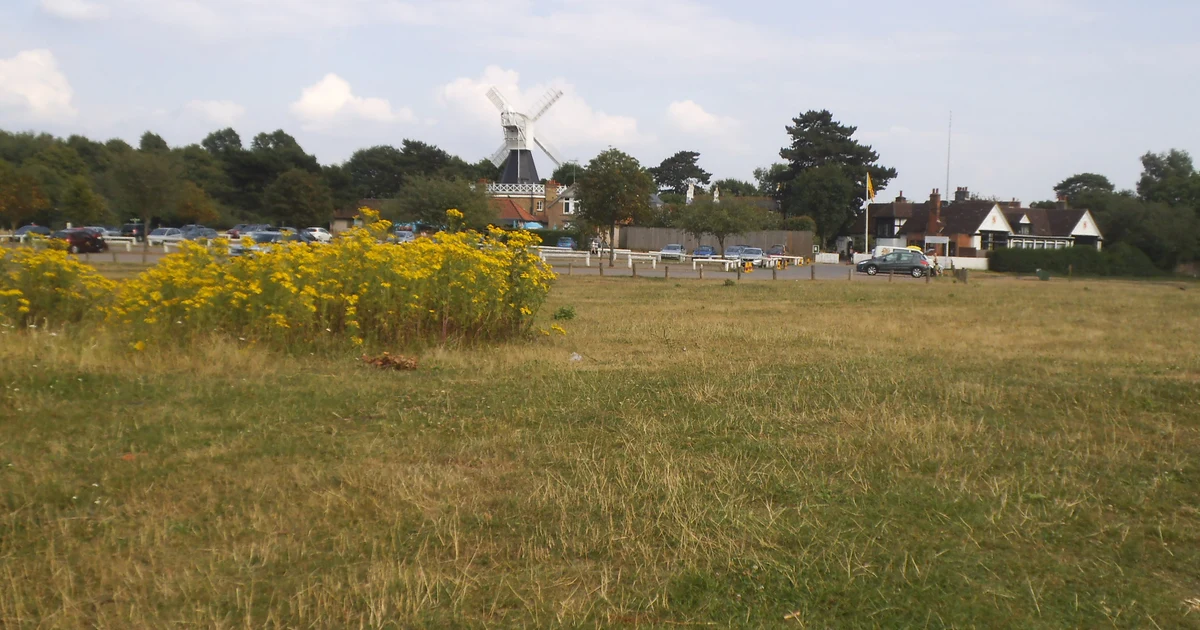
Featured photograph: Wimbledon Windmill and the Common, July 2014, by David Howard. Original photograph, CC BY-SA 2.0; cropped, resized and converted to WebP. These photographs illustrate local places, not properties offered for sale.
WHAT IS LIVING IN WIMBLEDON REALLY LIKE?
Wimbledon's appeal is the choice between town convenience and a greener, more village-like setting. You can build a weekend around a long walk, a café visit and local shopping without leaving the area. On working days, the town centre provides a practical transport hub rather than relying on a single route into London.
The trade-off is cost, alongside the effort of matching a home to your routine. A beautiful house may involve a longer station walk than you want. A flat close to shops may bring more street noise. Hills, school traffic and the route back from the station all matter. Visit on an ordinary weekday, not just on a sunny Saturday, before deciding that an address fits your lifestyle.
WIMBLEDON VILLAGE OR WIMBLEDON TOWN?
Wimbledon Village sits uphill from the main town centre. Its High Street, smaller shops, places to eat and access towards the Common create a distinct atmosphere. It suits people who value walking, local character and time outdoors. However, the journey between the Village and the main station deserves a proper trial, particularly with shopping, children or limited mobility.
Wimbledon Town centres on the station, The Broadway and surrounding shopping streets. It generally offers greater convenience for regular rail travel, practical errands and evening entertainment. Housing includes purpose-built apartments, converted flats and residential streets within walking distance of the centre. Neither setting is automatically better. Decide whether a shorter commute or immediate access to the Village's atmosphere would improve more days of your week.
LOOK BEYOND THE BEST-KNOWN ADDRESSES
Wimbledon Park attracts people who want access to its open space and the local shopping around Arthur Road. The neighbourhood's station is on the District line, but that does not mean every home is close to it. Walk the actual route from a prospective property, including crossings and slopes, rather than relying on a map's straight-line distance.
South Wimbledon offers a different transport option through the Northern line and a varied mix of homes. Wimbledon Chase and the streets around Dundonald can also appeal to households balancing local amenities with quieter surroundings. Boundaries and marketing descriptions are not always precise. Ask which station, shops and recreation ground an agent means, then compare those specific places with your needs. Street-by-street evidence is more useful than a broad area label.
COMMUTING AND GETTING AROUND
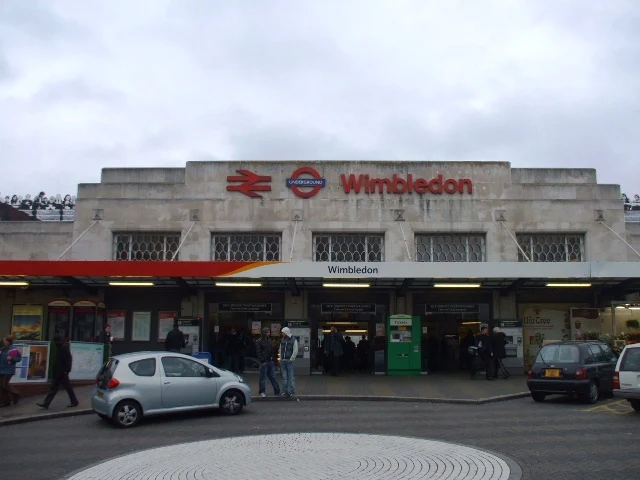
Wimbledon station combines National Rail, the District line and London Trams. Direct rail services connect with London Waterloo, while the Underground and tram network provide other travel options. South Wimbledon is a separate station on the Northern line. These choices are valuable, but their usefulness depends on your destination and the distance from your front door.
Avoid judging a commute by the fastest advertised train alone. Add the walk, waiting time, any interchange and the final journey to your workplace. Check current timetables, accessibility information and planned works with the operator. Try the trip at your normal departure time and consider your return after an evening out.
For some households, local buses make living uphill or farther from a station practical. Others prefer to walk most journeys. If you cycle, check storage at home and the route itself. Car owners should investigate the property's parking arrangements and any permit rules, rather than assuming a residential street guarantees an available space.
GREEN SPACE AS PART OF DAILY LIFE
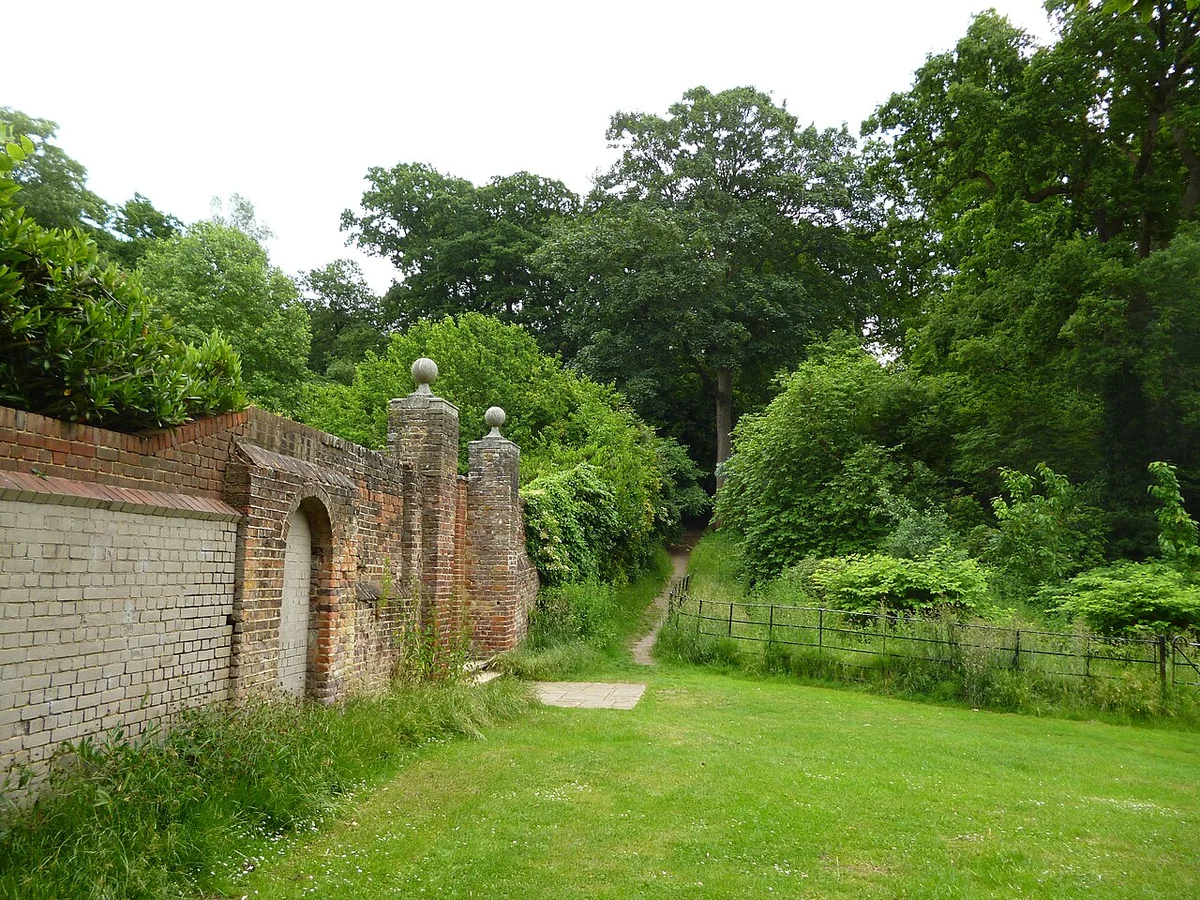
The Common is a major reason people consider moving here. Woodland, heathland and open ground allow a longer walk to become part of a normal week. The official managers describe Wimbledon and Putney Commons together as 1,140 acres. That figure refers to the combined Commons, not to Wimbledon Common alone. Responsible use matters: follow local signs, respect wildlife and check the rules for activities such as cycling and riding.
Wimbledon Park provides a different kind of outdoor space, with a lake, tennis courts, play areas and an athletics track. Merton Council's Wimbledon Park guide is a useful, authoritative source for facilities, entrances and booking information. Its range of activities is a genuine local benefit.
Cannizaro Park adds landscaped gardens and quieter paths near the Village. The most valuable green space, though, may be the one you can reach easily after work. Check the route, gates and seasonal opening times before treating any park as an extension of your garden.
SCHOOLS, CHILDCARE AND FAMILY ROUTINES
Families should investigate schools early, but should not buy on the strength of a nearby school name alone. Admissions depend on the relevant policy and year. Distance may be one factor among several, and a previously successful address does not guarantee a future place. Read current admissions arrangements, visit schools and ask the local authority about the process that applies to your child.
The same practical approach helps with nurseries and after-school care. Check opening hours, waiting lists and the journey between childcare, work and home. A house with an extra room can be less useful than one that removes a difficult daily trip. Test the school run at the right time and consider walking routes, crossings, buggy access and wet-weather alternatives. For families with children of different ages, map each journey separately before committing to a location.
COMMUNITY AND SETTLING INTO THE AREA
A good move involves more than finding the right building. Think about how you would meet people and establish routines. Local libraries, sports sessions, volunteering and interest groups can provide a starting point. Check current programmes and membership terms before assuming an activity will be available at the time you need it. A nearby facility is only useful if its hours fit your week.
For newcomers to London, it can help to rent first while testing different parts of Wimbledon. That decision still needs a budget: moving twice, storing furniture and arranging short-term accommodation can add up. If you already know the area, spend time on unfamiliar streets rather than assuming your favourite weekend destination is the best place to live. The town centre, Village and smaller local shopping parades offer different opportunities to build a familiar, comfortable routine.
SHOPPING, CAFÉS AND CULTURE
The town centre and Village serve different needs. Around the station and The Broadway, everyday shopping and services are concentrated in a busy setting. In the Village, the experience is more about browsing smaller shops, meeting friends and combining errands with a walk. Individual businesses change, so check the places you would actually use rather than relying on an old list of names.
New Wimbledon Theatre and Polka Theatre add cultural options to the area. For a move, think beyond occasional treats: where would you buy groceries, collect a prescription, exercise or work away from home? Visit during your normal free time. The atmosphere on a weekday evening may be quite different from the weekend. A familiar café is pleasant; a convenient, affordable weekly routine is usually more important.
HOMES, GARDENS AND WORKING FROM HOME
Wimbledon's housing includes period terraces, larger family houses, converted flats and modern apartment buildings. The right choice depends on layout and condition as much as appearance. A period conversion may offer character but require careful checks on sound insulation, maintenance responsibilities and alterations. A newer flat may offer a practical layout while carrying service charges that need close review.
For home working, test mobile reception and verify broadband availability for the exact address. Look for a space with usable light and separation from household activity, not simply a room labelled as a study. Gardens also need realistic assessment. Check privacy, access, orientation and maintenance. If extension potential matters, obtain planning and professional advice before assuming an attractive idea is achievable. Existing space that works well can be more valuable than uncertain future potential.
WHAT SHOULD YOU BUDGET FOR?
There is no single useful price for living in Wimbledon. Costs vary with street, property type, tenure, condition and access to transport. Broad averages can hide the gap between a compact flat and a substantial house. Compare recent completed sales for genuinely similar homes, then consider how present asking prices relate to that evidence. An asking price is not proof of an achieved value.
Buyers should allow for applicable purchase taxes, legal work, surveys, mortgage costs and repairs. Flat buyers should examine the lease, service charges and proposed major works. Tenants should confirm the rent, deposit arrangements, bills and responsibilities under the agreement. Everyone should budget for council tax, energy, travel and regular maintenance where relevant. Keep a contingency rather than using every available pound on the move. A workable monthly budget matters more than stretching to a fashionable address.
TENNIS SEASON AND THE EVERYDAY TRADE-OFFS
The Championships bring international attention and a distinctive summer atmosphere. For many residents, that is part of Wimbledon's identity. Near the tournament grounds and popular walking routes, however, visitor numbers and travel patterns can change. If that concerns you, ask about the specific street and read current event travel information rather than assuming the whole area is affected equally.
Other trade-offs are less seasonal. Main roads can be noisy, hills can make short distances harder and the most convenient addresses may offer less space for the same budget. Visit in the evening and at school-run time. Listen from the garden and bedrooms. Living well here is usually about choosing which compromises are acceptable, not finding a home with none.
HOW TO TEST YOUR SHORTLIST BEFORE MOVING
Spend a normal day in each shortlisted neighbourhood. Walk from the station, buy groceries and explore the nearest green space. Repeat the route after dark if that reflects your routine. Note how long tasks take and whether you would still enjoy the location in winter. Ask about parking, deliveries, bin storage and shared access, especially in conversions.
Once you find a suitable home, separate lifestyle enthusiasm from purchase checks. Review tenure, condition, planning history and your finances with the appropriate professionals. Our complete guide to buying property in Wimbledon explains how to move from a search brief to viewings, an offer and the legal process. Good local knowledge should make those decisions clearer, not replace a survey or legal advice.
Write a short comparison after each visit while the details are fresh. Record the total commute, usable space, likely running costs and the compromises you noticed. Agree which features are essential and which are merely desirable. If two homes seem equally appealing, compare the least enjoyable part of an ordinary day in each one. That often reveals more than another list of attractive features.
IS LIVING IN WIMBLEDON RIGHT FOR YOU?
Wimbledon suits people who want green space and a recognisable local centre while remaining connected to London. Its different neighbourhoods allow different versions of that lifestyle. The right choice is the one that supports your commute, household, budget and interests on an ordinary day, not just the address that looks best in a photograph.
Choose a few clear priorities, investigate the practical details and compare individual homes carefully. To discuss areas and properties that fit your plans, speak with your local Wimbledon estate agent. A focused search can help you find the part of Wimbledon that feels right for everyday life.
Share this article