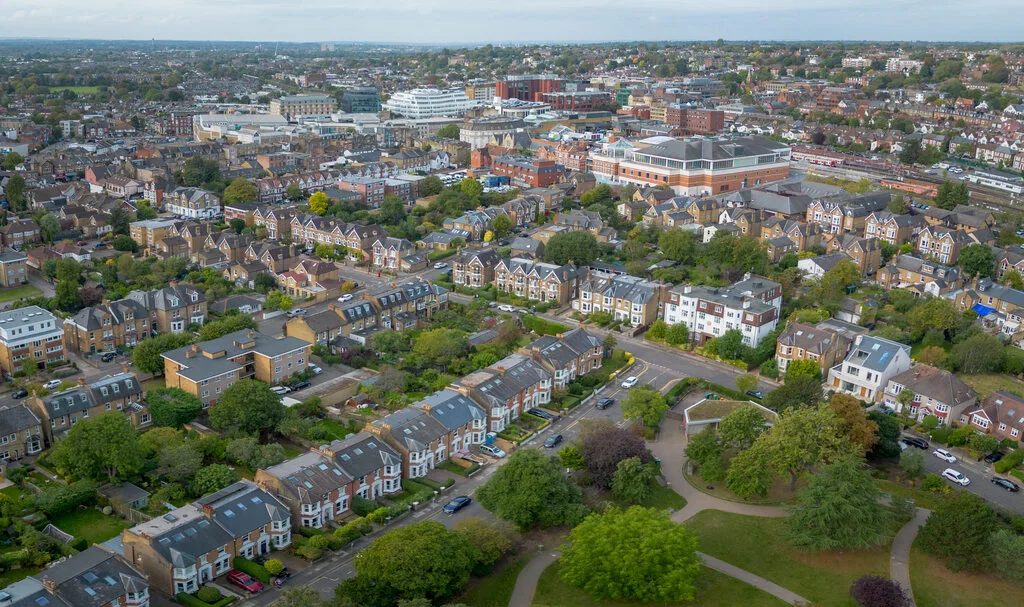
Where to Buy a Family House in Wimbledon
Choosing where to buy a family house in Wimbledon is not simply a question of finding the most attractive road or the largest garden. SW19 is a collection of distinct neighbourhoods, each with its own housing stock, school-admissions considerations, station options, traffic patterns and weekend character. A house that works perfectly for a family with nursery-age children may be less practical for teenagers travelling independently, while a buyer who commutes daily may make a different choice from somebody who works mainly from home.
This guide compares the principal family-house areas across Wimbledon and explains the trade-offs that matter in practice. It is intended as general property information, not legal, financial or school-admissions advice. Prices and availability change continuously, and a home address never guarantees a place at a particular school. Buyers should verify current admissions arrangements, transport plans, flood information, title matters and planning restrictions before committing to a purchase.
Why Wimbledon remains a strong family location
Wimbledon combines several qualities that are difficult to find together elsewhere in London. It has substantial green space, a broad range of state and independent schools, a busy town centre, neighbourhood shopping, sports facilities and rail connections that allow many residents to reach central London without relying on a car. Wimbledon station brings together National Rail, the District line, Thameslink and Tramlink services, while Wimbledon Park and South Wimbledon stations provide alternatives for different parts of the area.
Families also have a genuine choice of house type. The market includes compact Victorian cottages, Edwardian terraces, 1930s family houses, Arts and Crafts homes, larger detached properties and modern developments. That variety creates entry points at different budgets, although condition, plot size, parking, school proximity and station access can create large price differences even between neighbouring streets.
For an early overview of the main local choices, compare our guide to Wimbledon neighbourhoods for property buyers before narrowing the search to individual roads.
The strongest family purchase is therefore not always the house with the most impressive first viewing. It is the home that supports the household's likely routine for the next five to ten years: school runs, childcare, commuting, clubs, visiting relatives, working from home and the eventual need for older children to travel independently.

Wimbledon Village: character, space and access to the Common
Wimbledon Village is the best-known part of the local market. Its appeal comes from the combination of period architecture, an established high street and immediate access to Wimbledon Common. Families who place a high value on walking, outdoor space and a village atmosphere often begin their search here. The official Wimbledon Village website provides current information about the area's shops, restaurants, services and local events. Larger homes can be found around streets leading towards the Common and along the prestigious roads west and south of the Village centre.
The housing is diverse rather than uniform. Buyers may encounter Georgian or Victorian houses, substantial detached and semi-detached homes, converted properties and carefully designed modern replacements. The most desirable houses commonly combine off-street parking, a useful garden, generous reception space and a quiet position. Those features are scarce, so buyers should expect competition when a well-presented family house is accurately priced.
The trade-off is cost. A Village address, proximity to the Common and a large plot can carry a significant premium. The walk to Wimbledon station is also longer or steeper from some streets than a map suggests. Families should test the route at the time of day they will actually use it and consider buses, cycling, school journeys and the practical effect of carrying shopping or travelling with younger children.
Conservation areas and planning controls are relevant in parts of the Village. A proposed loft, rear extension, replacement window or external alteration may require more investigation than buyers expect. Your solicitor and surveyor should review the title, planning history and conservation context rather than assuming that a neighbouring alteration establishes permission for your house.
Wimbledon Park: practical family living with strong transport choices
Wimbledon Park is often the most balanced option for buyers who want a traditional family house, a neighbourhood community and straightforward access to public transport. Streets around the park and District line station contain Edwardian and later terraces and semi-detached houses, many of which have been extended into lofts and rear gardens. The area can offer more internal space for the budget than central Village locations while remaining closely connected to Wimbledon town centre.
The park itself is an important everyday asset rather than merely a view on a brochure. Families use it for walking, sport, play and informal recreation, and it gives the neighbourhood a clear centre. Wimbledon Park station serves the District line, while some addresses are also within reach of Wimbledon station or Earlsfield rail services. Exact walking time varies considerably, so a search should be organised street by street rather than under one broad area label.
Road noise, event traffic, parking controls and the condition of altered houses deserve attention. A freshly decorated extension does not confirm that building regulations, party-wall matters or planning requirements were handled correctly. Buyers should ask for approvals, warranties and structural information through their conveyancer. A full building survey is particularly sensible where walls have been removed, lofts converted or older roofs altered.
Wimbledon Chase: houses, local shops and a neighbourhood station
Wimbledon Chase attracts families looking for a quieter residential setting with useful local shops and its own rail station. The housing stock includes 1930s terraces and semi-detached houses, period homes and later infill. Many properties provide the layout families seek: separate or connected reception rooms, three or four bedrooms, a rear garden and potential to improve, subject to consent.
The neighbourhood can represent better value than the Village while still giving access to central Wimbledon, Raynes Park and surrounding schools. Wimbledon Chase station is useful for Thameslink services, but buyers should check the current timetable against their actual commute rather than relying on headline journey claims. A household with two different work destinations may benefit from being between Wimbledon Chase and Wimbledon stations, even if neither is immediately outside the door.
School applications require particular care here because admissions arrangements may include distance, priority areas, sibling rules and other criteria that change between admission years. Merton Council publishes the current arrangements and specifically identifies priority-area information for schools including Wimbledon Chase and Dundonald. Buyers should consult the council's current admissions guidance, speak directly to relevant admission authorities and avoid treating an estate-agent portal map as a guarantee.
South Wimbledon: connectivity and more house for the budget
South Wimbledon can suit families who prioritise value, Northern line access and proximity to both Wimbledon and Colliers Wood. Victorian and Edwardian terraces form a large part of the market, with varying degrees of modernisation. Buyers may obtain an additional bedroom, longer garden or completed extension for less than an equivalent property in the Village, although every street has its own pattern of traffic and surrounding land use.
The Northern line provides a different commuting route from Wimbledon station's rail and District line services. That resilience can matter when one network is disrupted. The area also has access to local shopping and the wider amenities of central Wimbledon, but families should walk the immediate streets after school, during the evening and at the weekend. The lived character can change over a short distance.
As with any urban area, due diligence should include noise, parking, nearby development proposals and flood information. Merton is the lead local flood authority and publishes local flood-risk material, while national services allow buyers to check longer-term flood risk. These checks do not replace specialist advice where a survey, search or insurance quotation identifies a concern.
Raynes Park borders: a wider search can unlock family value
Families who identify with Wimbledon but do not need a central SW19 address often extend their search towards Raynes Park and the western edges of Wimbledon. This can uncover larger 1930s houses, wider plots and useful gardens while preserving access to local schools, parks and rail services. The distinction between neighbourhood names is less important than the actual route to work, school and daily amenities.
Raynes Park station provides direct rail services, and some roads offer a practical walk to Wimbledon Chase as well. The area may suit buyers who want a driveway, garage or scope for a side or rear extension. However, extension potential must be assessed property by property. Drainage easements, restrictive covenants, trees, neighbouring development and planning policy can all affect what is possible.
Which Wimbledon area is best for schools?
There is no single correct answer because families are choosing among state-maintained schools, academies, faith schools and independent schools, each with different admissions processes. The relevant test is not simply which schools have strong reputations; it is which options fit the child's age, needs, application timetable and realistic admissions position.
For state schools, verify the admission authority, published criteria and measured distance method for the correct entry year. Historic offers to nearby addresses can be informative but do not create an entitlement. Demand and the location of applicants change each year. For independent schools, consider registration dates, assessments, fees, transport and whether daily travel remains manageable as children move through year groups.
Do not exchange contracts solely on the basis of an informal claim that a property is “in catchment”. Ask for documentary sources and take responsibility for confirming the current position. Where a school place is fundamental to the move, coordinate the property timetable with the admissions timetable and obtain specialist advice if necessary.
How much space does a family actually need?
Bedroom count is only one measure. A well-planned three-bedroom house with good storage, a utility area and flexible reception rooms may function better than a narrow four-bedroom conversion. Examine where school bags, bicycles, pushchairs, sports equipment and coats will go. Check whether a home office can remain useful without occupying the only guest room.
Garden orientation and usability also matter. A large but heavily shaded or overlooked plot may be less valuable to a household than a smaller, level and private garden. Ask whether mature trees are protected, whether rear access exists and whether an extension has reduced outdoor space beyond what will suit the family long term.
If you intend to extend, price the purchase as it stands rather than assuming future work will be straightforward or affordable. Construction cost, professional fees, VAT, temporary accommodation and finance can materially alter the equation. Compare the total likely cost with completed houses nearby before committing to a project.
Transport: test the complete door-to-door journey
Wimbledon station's range of services is a major advantage, but the best address depends on the full journey. Include the walk, interchange, frequency at the required time and the route home after evening commitments. Families should also map nurseries, schools, clubs and grandparents rather than measuring only the commuter trip.
A station within ten minutes on a sunny viewing day may feel different in winter with a child. Equally, a home farther from central Wimbledon may offer a faster total journey through Wimbledon Park, South Wimbledon, Wimbledon Chase or Raynes Park. Carry out trial journeys before making a final offer.
Survey, title and legal checks for Wimbledon houses
Period houses require proportionate investigation. A survey should consider roof coverings, damp, movement, drainage, chimneys, windows, services and previous structural alterations. Older properties can perform very well, but decorative finishes may conceal deferred maintenance. The survey is a decision tool, not simply a negotiating device.
Your conveyancer should investigate title boundaries, rights of way, restrictive covenants, planning and building-control records, guarantees, party-wall documentation and any private-road or estate obligations. If parking depends on a dropped kerb or crossover, confirm its status. If a garden studio or loft room is important, verify its lawful use and approvals rather than relying on how it is marketed.
Energy performance also deserves attention. An EPC provides standardised information but cannot substitute for a survey or tailored energy assessment. Buyers planning insulation, glazing, heat-pump or solar work should consider building type, conservation restrictions and ventilation together.
A practical shortlist by family priority
For maximum character and Common access: begin with Wimbledon Village, accepting that budget and competition may narrow the choice. For a balanced house-and-transport search: explore Wimbledon Park. For a quieter neighbourhood with traditional family houses: consider Wimbledon Chase. For Northern line access and comparative value: assess South Wimbledon. For larger plots and a wider budget range: include the Raynes Park borders.
These are starting points, not rigid rankings. The right street often emerges only after viewing across two or three adjoining micro-markets. Families focused on education can read our guide to the best schools in Wimbledon.
How to buy with confidence
Start by agreeing the household's non-negotiables and separating them from preferences. Set a total budget that includes Stamp Duty Land Tax where applicable, conveyancing, survey costs, mortgage fees, removals and immediate repairs. Obtain an agreement in principle if borrowing, but remember that the lender will still value the specific property and assess the full application.
View more than once, ideally at different times. Walk the school and station routes, listen for transport or road noise, inspect parking pressure and look at neighbouring land. Once an offer is accepted, instruct an experienced conveyancer promptly, arrange the appropriate survey and answer requests efficiently. Speed should come from preparation, not from skipping due diligence.
Most importantly, buy for the family's real pattern of life rather than a postcode label. Wimbledon offers several excellent family-house markets, but their strengths differ. A disciplined comparison of streets, journeys, schools, space and legal position will produce a more resilient decision than chasing whichever neighbourhood currently receives the most attention.
Share this article